
What Are We Overlooking Because We're Looking for Bigger Things?
Jun 30, 2026
In church leadership, it’s easy to assume that the most important things are the most visible things.
Bigger attendance. Bigger budgets. Bigger programs. Bigger impact.
We don’t arrive at those assumptions thoughtlessly or maliciously. These are simply the measurements we’ve inherited. They’re what we know how to count.
But what if some of the most important signs of flourishing are harder to see?
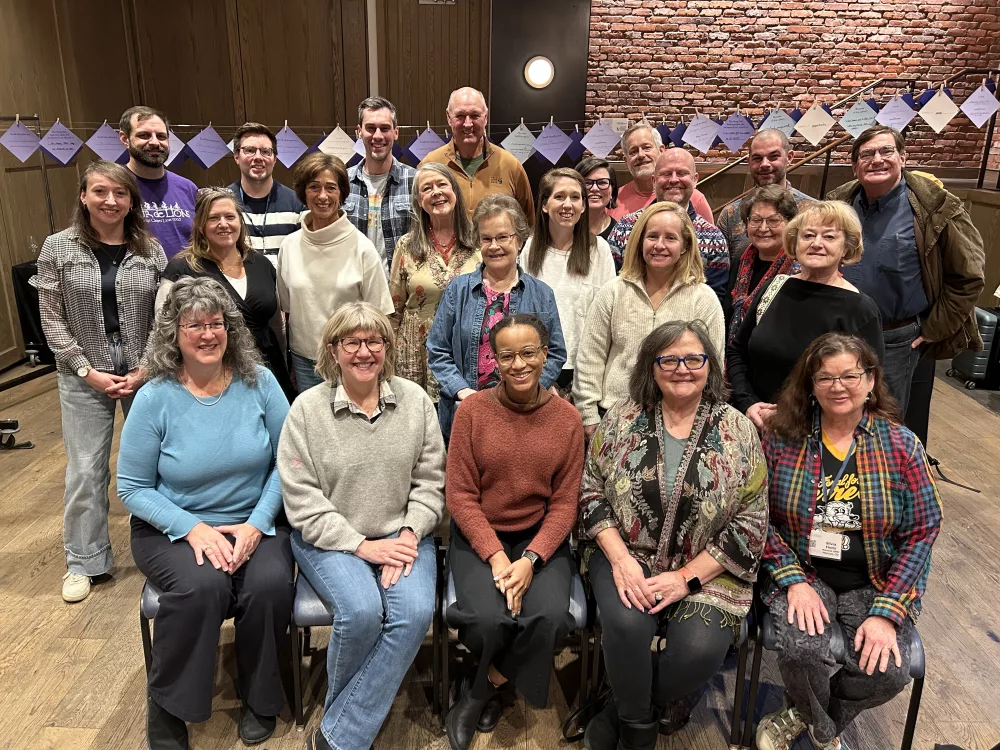
That question surfaced repeatedly during Learning & Innovation’s Flourishing Small Churches cohort, a year-long journey with pastors and lay leaders from nine United Methodist congregations averaging fewer than 50 people in worship. The cohort began as an exploration of what makes small churches flourish. Along the way, participants helped us notice something else.
We sometimes overlook some of the church’s most important work because we’ve trained ourselves to look for bigger things.
These churches had absorbed the same story many of us have — that vitality looks like more people, more resources, more activity. This cohort invited them to recognize and name the gifts already present among them: deep trust, strong relationships, community credibility, shared leadership, and an every-day, sustained attention to the needs of their neighborhood.
Here’s something that surprised us.
When we asked the clergy and lay leaders how faith gets formed and transmitted in their congregation, they rarely talked about programs, classes, or curriculum. Instead, they described people learning to ask honest questions of one another. Watching one another and seeing kindness lived out. Feeling seen. Getting involved in serving their neighbors. Seeing for themselves what it means to live convinced that nothing can separate us from the love of God.
These responses caught our attention: They sounded less like strategized outcomes, more like the fruit of a particular way of living together.
Faith is being formed around dinner tables and church council meetings. In rides offered to a neighbor. In the courage to speak honestly about grief, addiction, doubt, recovery. In learning how to stay connected to people who think differently. In communities where everyone’s gifts matter because everyone is needed.
The way these congregations live together is the curriculum.
Perhaps that’s the invitation for all of us.
Not to stop paying attention to growth, resources, or strategy. But to ask what else might be happening that our usual measurements fail to notice.
Is trust growing?
Are people becoming more courageous?
Where are relationships deepening?
How are people learning what it means to love their neighbors?
Maybe the church’s most important work is happening in ways that rarely make it onto a dashboard.
What are we overlooking because we’re looking for bigger things?
Sometimes the most significant signs of flourishing aren’t the easiest to count. Sometimes they’re hiding in plain sight.
Flourishing Small Churches is a Learning & Innovation initiative of Texas Methodist Foundation and Wesleyan Impact Partners, exploring what small congregations can teach the wider church about faithfulness, leadership, and community impact. Download the full report on Flourishing Small Churches and feel free to contact us at if you'd like to explore hosting a similar cohort.